Clinton MS Rental Properties: A Smart Investor Guide
May 14, 2026
May 14, 2026
If you are thinking about investing in rental homes in Clinton, MS, the biggest question is simple: can you buy a house at the right price and lease it at a rent that still works after repairs, vacancy, and city compliance costs? In a market like Clinton, that answer depends less on hype and more on careful numbers, realistic rent targets, and a solid understanding of the local housing stock. This guide will walk you through what makes Clinton appealing, what kind of rental product tends to fit the market, and how to underwrite deals more conservatively. Let’s dive in.
Clinton offers a mix that many long-term investors like: a stable suburban setting, access to the Jackson area, and a housing market that leans owner-occupied. Census estimates show Clinton had 26,617 residents in 2024, with a 68.4% owner-occupied housing rate and 91.0% of residents living in the same house a year earlier. That points to a market where stability matters.
For landlords, that kind of stability can be useful when your goal is dependable income rather than fast appreciation. The same Census data shows a median household income of $74,745 and median gross rent of $1,118. The city’s population estimate is lower than its 2020 Census count of 28,100, so it is smart to underwrite for steady performance instead of assuming strong growth will bail out a weak deal.
Clinton also promotes itself around parks, historic neighborhoods, access to Jackson, and proximity to Mississippi College. The city notes that rental demand is tied in part to Mississippi College, and its comprehensive plan says rental vacancies were concentrated within the rental segment without signaling oversaturation. That is a useful reminder that demand exists, but product selection and pricing still matter.
One of the most important things to understand about Clinton is that visible rental-house inventory can be thin. A recent market snapshot showed only five houses for rent, including 3-bedroom homes around $1,495 per month and a 4-bedroom home at $2,800 per month. In a small inventory environment, asking rents can look strong, but that does not mean every property will achieve top-of-market pricing.
Apartment rent data gives another reference point, but it should be used carefully. An April 2026 market analysis put Clinton apartment rent at $1,258 on average, with 1-bed units at $1,138, 2-bed units at $1,221, and 3-bed apartments at $1,677. Since that dataset is apartment-focused, it works better as a lower-bound comparison than as a direct single-family comp.
HUD’s 2025 fair market rents for ZIP code 39056 provide another useful benchmark. Those figures were $1,170 for a 1-bedroom, $1,370 for a 2-bedroom, $1,650 for a 3-bedroom, and $1,820 for a 4-bedroom unit. These numbers are not a pricing rule for private rentals, but they do help frame a reasonable range.
When you combine the current rental-house listings, apartment data, and HUD benchmarks, a conservative rent target for a 3-bedroom single-family home in Clinton often lands in the mid-$1,400s to mid-$1,600s. That range will still depend on location, layout, condition, and finish level. A clean, functional house with strong curb appeal and updated interiors will usually compete better than a dated house priced as if it were fully renovated.
The safest approach is to use the lower of the active market signal and the HUD benchmark when you are underwriting a deal. That keeps you from buying based on best-case rent assumptions. In a market with thin inventory, discipline matters because one aggressive asking rent can distort expectations quickly.
For many investors, the most practical rental-home play in Clinton is the standard single-family house with a usable layout and broad appeal. The city’s ordinance limits occupancy to no more than four unrelated persons, so dense roommate-style setups are less attractive than straightforward homes designed for long-term household use. That makes 3-bedroom and 4-bedroom houses especially relevant.
Clinton’s housing stock also deserves close attention. The comprehensive plan says nearly half of the city’s housing units were built between 1970 and 1989, and another 32% were built between 1990 and 2009. That means many houses may offer a workable floor plan and neighborhood appeal, but they can also come with older roofs, aging systems, deferred maintenance, or cosmetic issues that affect lease-up and inspection readiness.
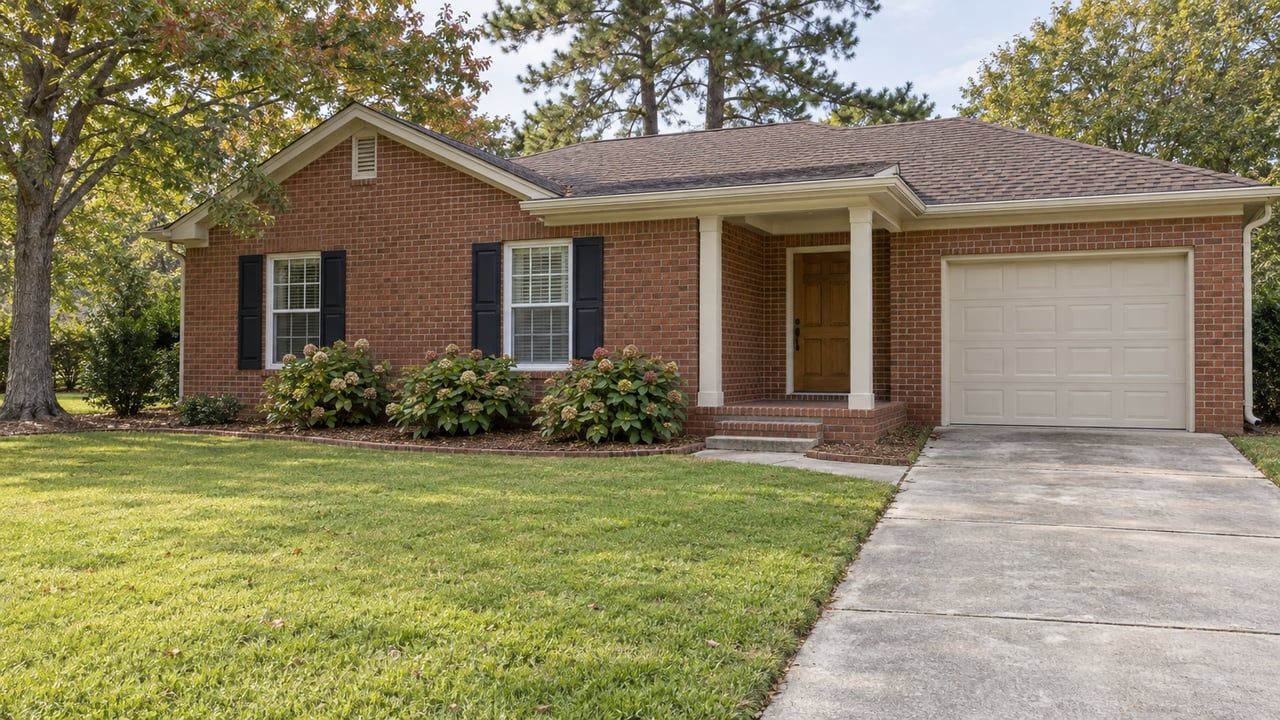
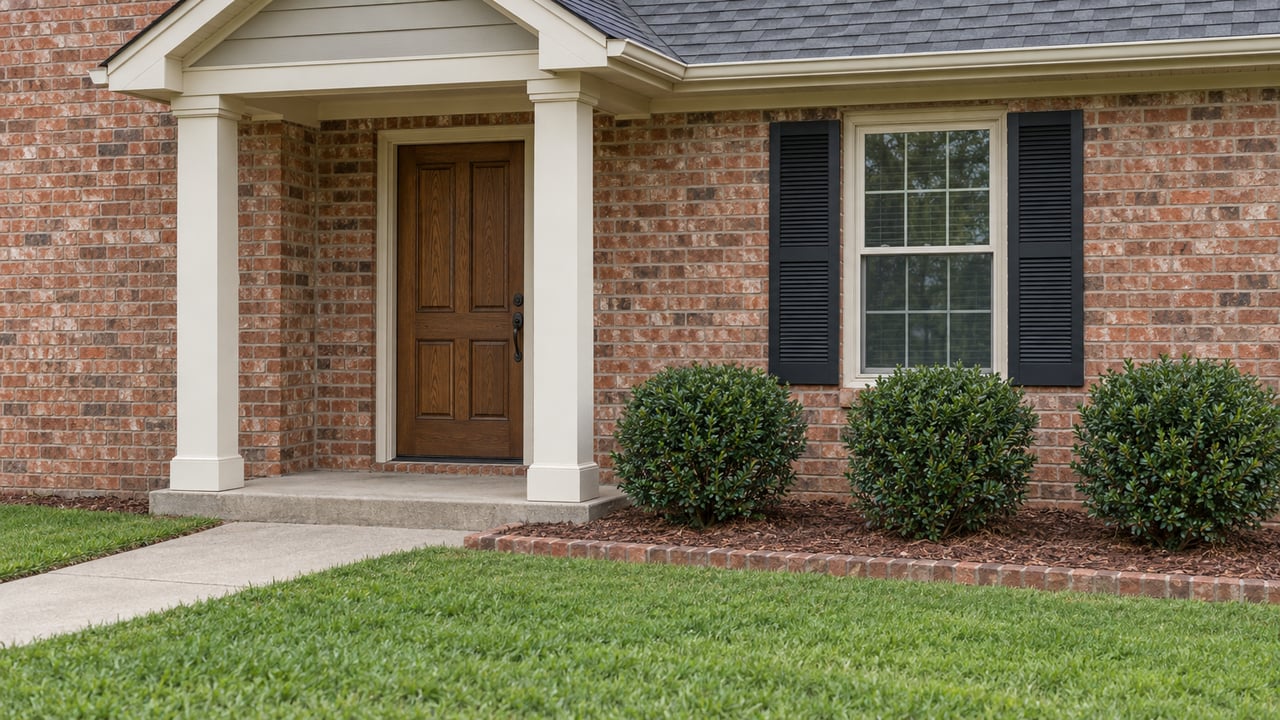
In practical terms, investors often do best with houses that need manageable updates rather than full-scale reconstruction. A solid brick home with a functional layout, off-street parking, and clear make-ready needs can be easier to stabilize than a cheaper property with hidden repair risk. In Clinton, condition can make a major difference because visible inventory is limited and tenants can compare options quickly.
Clinton’s rental ordinance covers single-family houses, manufactured homes, multi-family units, and other residential properties leased to someone other than the owner. The city requires annual registration and an inspection before that registration is valid. If violations are found, a reinspection is required before occupancy can move forward.
That matters for investors because make-ready is not just about appearance. It is also about getting the property into a condition that can pass the city’s process without avoidable delays. If you underestimate that timeline, your vacancy can stretch longer than planned.
According to the city, inspectors may review issues such as:
Interior standards also emphasize a sanitary kitchen, sound cooking equipment, safe floor coverings, and hazard-free common areas, driveways, and parking areas. For many Clinton rentals, that means the most common pre-lease work includes:
Because occupancy can be delayed until violations are corrected, it is wise to budget both repair dollars and extra time for reinspection. A property that looks like a bargain on day one can become much less attractive if city compliance issues pile up during make-ready.
In a market like Clinton, the deal usually works or fails at the purchase price. Census figures suggest a rough gross yield of about 5.9% before expenses when median gross rent is compared with median owner-occupied value. That is only a broad benchmark, but it shows how quickly returns can shrink if you overpay.
A conservative underwriting process should include more than principal, interest, taxes, and insurance. You should also account for vacancy, repairs, ongoing maintenance, property management if you plan to use it, and city registration or compliance-related costs. Thin rental inventory does not mean every home is worth premium pricing.
A simple framework can help:
This kind of underwriting may feel conservative, but it helps you avoid buying a property that only works on paper. In Clinton, stable income is usually the smarter target than chasing appreciation assumptions.
Since visible house inventory is limited, you do not need luxury finishes to compete well. You do need a house that feels clean, functional, and easy to maintain. In many cases, simple improvements deliver the best return.
Focus on the features that help a tenant choose one home over another:
The city also highlights local appeal factors like parks, historic areas, Mississippi College proximity, and Jackson-area access. Those factors can support demand, but they do not replace the basics. Renters still respond first to condition, price, and usability.
Buying a rental home in Clinton is not only about finding a house that looks rentable. It is about matching purchase price, renovation scope, and achievable rent in a market where older housing stock and city inspections can affect your timeline and returns. That is where local knowledge becomes especially valuable.
An experienced local brokerage can help you compare list price to realistic rent potential, spot houses that may need more compliance-related work, and identify layouts that fit Clinton’s long-term tenant base. That practical insight can save you from chasing a property that looks promising online but underperforms in real life.
If you are weighing a rental purchase, planning a value-add renovation, or trying to sort through Clinton’s rent ranges house by house, working with someone who knows the local market can make your numbers much clearer. If you want practical guidance on buying or evaluating rental homes in Clinton, connect with Brad McHann for a local market consultation.
Experience the Highland Realty difference today! Discover unmatched expertise, personalized service, and a track record of excellence in the real estate market. Whether you're looking for your dream property or seeking the best deal for your home, our expert team is here to guide you every step of the way. Contact us now to embark on your journey towards extraordinary living with Highland Realty!