What Gluckstadt New Construction Buyers Should Know About Warranty Gaps
August 20, 2026
August 20, 2026
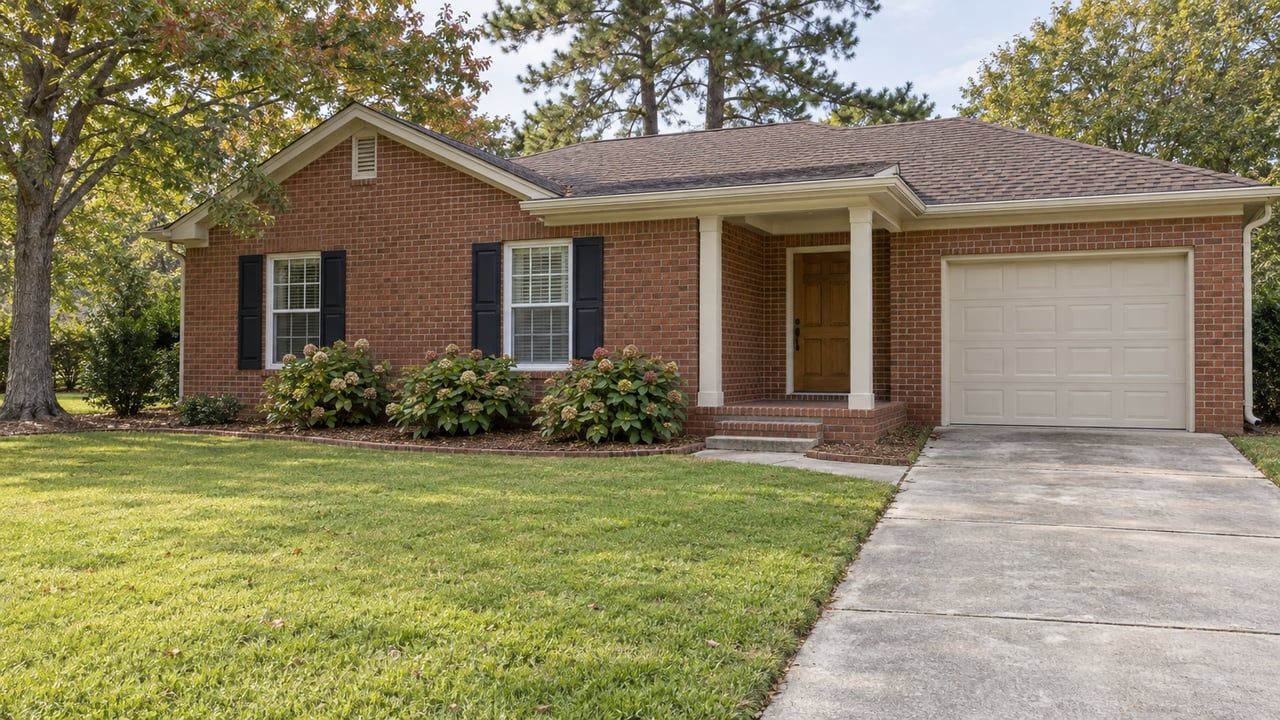
A family closes on a new build in Glenwild, moves in during the humid stretch of late summer, and spends the first few months admiring fresh paint and a driveway that still smells like wet concrete. By the following spring, that driveway has a hairline crack running corner to corner, and the side yard holds standing water for two days after every heavy rain. They call the builder, expecting the one-year warranty to cover it. It does not, and the reason why is written into Mississippi law in language most buyers never read until the problem shows up.
That gap between what people assume a new home warranty covers and what it actually covers is the thing worth understanding before you sign anything in Gluckstadt right now, especially with the city adding a new layer of rules to how homes here get built.
Ask most first-time new-construction buyers what a builder's warranty protects and you get some version of "everything, for a year." It is an understandable assumption. The home is new. Every surface is unmarked. It feels like the risk has been engineered out of the purchase.
Mississippi does require builders to provide a warranty, but the statute that creates it, the New Home Warranty Act, spends nearly as many words on what is excluded as on what is promised. The one-year workmanship period and six-year structural period sound broad. The exclusions list is where the real information lives.
Under Mississippi Code Section 83-58-5, a builder warrants that for one year following the warranty commencement date, the home will be free from defects due to noncompliance with building standards, and for six years, free from major structural defects tied to that same noncompliance. Those are the two numbers most buyers remember.
What tends to get skipped is the list of things the statute explicitly carves out. The exclusions cover a lot of ground:
Defects in outbuildings including detached garages and detached carports, except outbuildings which contain the plumbing, electrical, heating, cooling or ventilation systems serving the home; swimming pools and other recreational facilities; driveways; walkways; patios; boundary walls; retaining walls; bulkheads; fences; landscaping, including sodding, seeding, shrubs, trees, and planting.
Read that again with the family in Glenwild in mind. Their cracked driveway is named in the statute as excluded coverage. So is the standing water in landscaping, unless a builder's own paperwork happens to say otherwise.
The law also lets a builder obtain a written waiver from the buyer covering damage caused by soil movement, as long as the home sits on land the buyer already owned. Buyers who are building on a lot they purchased separately from the home contract should ask directly whether that waiver is part of their paperwork, because it can be tucked into closing documents without much explanation.
Here is the coverage picture in plain terms:
| Warranty Period | What It Protects | What It Excludes |
|---|---|---|
| Year 1 (workmanship) | Defects from noncompliance with adopted building standards inside the home itself | Driveways, walkways, patios, fences, landscaping, detached garages without home systems |
| Years 1 through 6 (major structural) | Structural defects from code noncompliance | Manufacturer-warrantied fixtures like HVAC and appliances, damage from soil movement if waived in writing |
That second column is the part a builder's sales office rarely walks you through, and it is exactly the part that matters most once the first full season of Mississippi heat and rain has passed over a new slab.
Gluckstadt's city government recently adopted new Architectural and Design Standards, a move that shows up prominently on the city's own site alongside its other current business. For a city built almost entirely in the last two decades, formalizing design standards is a real shift, and it signals that the pace of building here has outrun the rulebook that was governing it.
It would be easy to assume that new design standards mean new protection for buyers. They do not, at least not in the way a warranty does. Design standards govern the exterior character of a home, things like massing, materials, and how a structure reads from the street. They exist to protect the visual consistency of a neighborhood and, by extension, resale value across it. They say nothing about whether the slab under that home was poured correctly or whether the grading sends water toward the foundation instead of away from it.
The Gluckstadt Building Department already enforces the International Building Code and International Residential Code family of standards, currently the 2018 editions, alongside plumbing, mechanical, and fire codes. That is the layer of oversight aimed at safety and structural compliance. Architectural standards sit on top of that layer, addressing appearance, not the workmanship gaps the state warranty law already excludes. A buyer who assumes the city's new rules close the warranty gap is looking in the wrong direction.
If the statute has holes and the city's new standards do not patch them, the only remaining protection is a buyer's own inspection schedule, and the timing matters more than most people expect.
A new home can look close to flawless at move-in. Problems that actually matter, drainage that was fine in dry weather but fails once the ground saturates, HVAC systems that cannot keep up once a full cooling season arrives, foundation settling that only becomes visible after a year of heating and cooling cycles, tend to surface after the house has lived through all four seasons once. That is why independent inspectors who specialize in new construction consistently recommend scheduling a warranty inspection near month ten or eleven of a twelve-month builder warranty, not at move-in and not after the deadline has quietly passed.
For anyone buying to-be-built or a home still under construction, the more complete approach adds two earlier checkpoints:
That written submission requirement is not optional. The statute requires defects to be reported by registered or certified mail before the coverage period expires, plus a thirty-day grace window. A phone call to the builder's site office does not satisfy that requirement on its own.
The person sitting at the builder's model home in Glenwild or any other Gluckstadt community works for the builder. That is not a criticism, it is simply how the arrangement is structured. Their job is to sell inventory and move contracts forward on the builder's timeline.
A buyer walking into that conversation without their own representation is negotiating incentives, upgrade allowances, and warranty terms against someone whose incentives point the other way. An agent working for the buyer reviews the contract line by line, tracks the pre-drywall and final inspection schedule, and keeps the eleventh-month deadline on the calendar so it does not slip past unnoticed. In most new-construction deals, the builder covers that agent's commission out of the same budget whether the buyer brings representation or not, which makes going without it a cost with no offsetting benefit.
Does the one-year warranty clock start over if I buy a finished spec home instead of a to-be-built? No. The warranty commencement date is tied to the home itself, typically when it is first occupied or closed, not to when a particular buyer takes title. If a spec home has been sitting finished for months before you close, part of that one-year clock may already be gone.
What actually counts as a major structural defect under the six-year coverage? The statute ties it to noncompliance with adopted building standards that affects the structural integrity of the home, not cosmetic cracking or normal settling. Documentation from an independent inspector matters here, because the difference between ordinary settling and an actual structural defect is often a judgment call that benefits from a professional record.
Do Gluckstadt's new Architectural and Design Standards apply to homes already built in established subdivisions? Design standards adopted going forward typically apply to new construction and future phases rather than retroactively altering homes already completed. Anyone buying resale in an established Gluckstadt neighborhood should ask directly whether a specific property was built under the prior standards or the newly adopted ones, since that can matter for future additions or exterior changes.
Should I get an inspection on a brand-new home at all, or just trust the builder's own final walk? An independent inspection is worth the cost on every new build. The builder's own punch-list walk is useful, but it is not a substitute for a third party whose only obligation is documenting the home's actual condition for you.
Buying new construction in Gluckstadt right now means buying into a market where the city itself is still writing its rulebook. That is not a reason to avoid it. It is a reason to read the warranty language before you sign, put the eleventh-month inspection on your calendar the day you close, and bring someone into the process whose only job is looking out for you.
Highland Realty works the Madison-Clinton corridor including Gluckstadt every day, from new-construction contracts to the renovation and rental side of the market. If you are weighing a new build here, schedule a local market consultation before you sign anything with a builder.
Experience the Highland Realty difference today! Discover unmatched expertise, personalized service, and a track record of excellence in the real estate market. Whether you're looking for your dream property or seeking the best deal for your home, our expert team is here to guide you every step of the way. Contact us now to embark on your journey towards extraordinary living with Highland Realty!